


Website SEO Audit Checklist: 17 Tips and Tricks for Growing Your Online Business
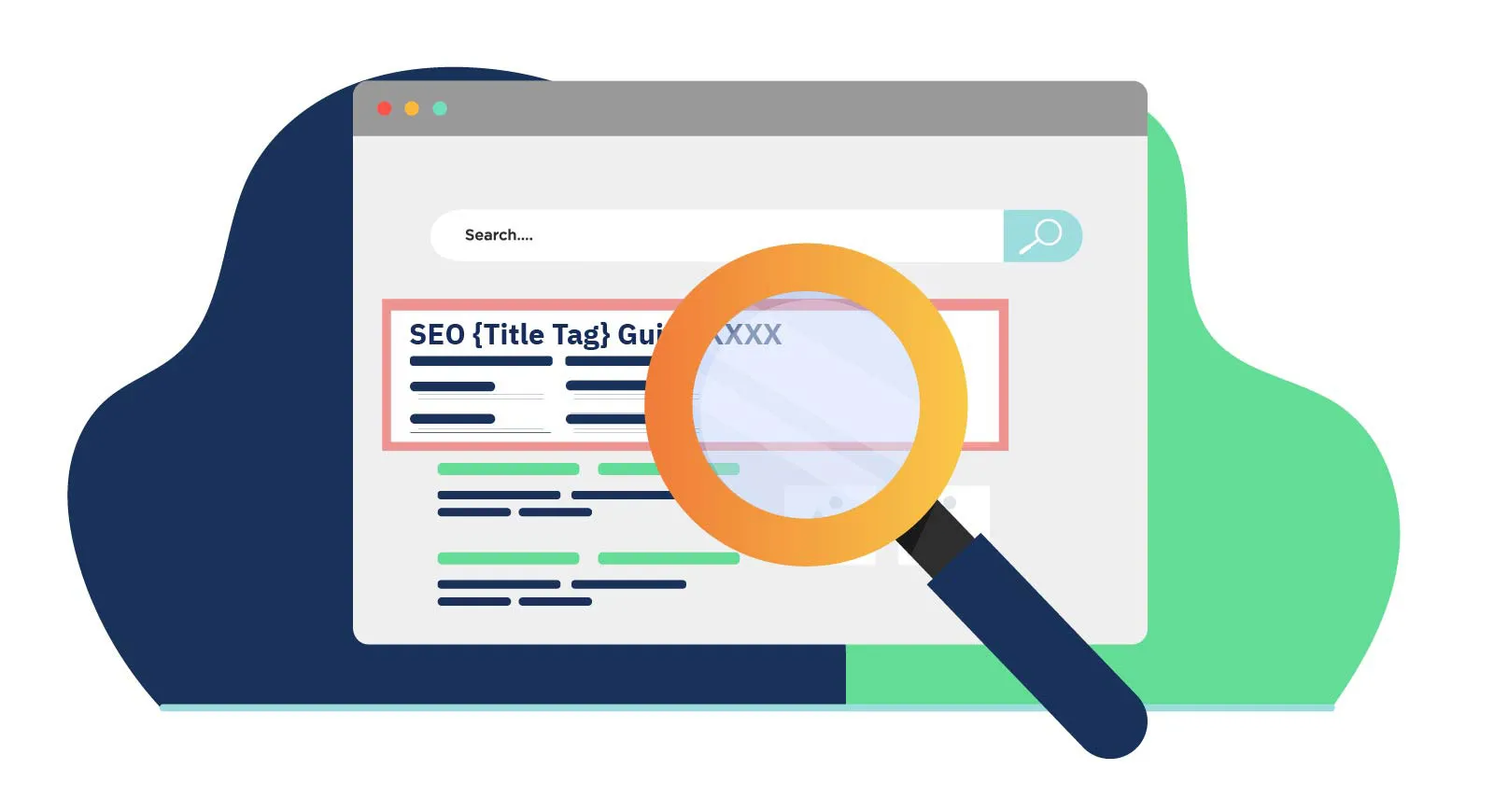
As an experienced digital marketer, whether you own a website, manage it, or are a webmaster in Cambodia, especially if you are involved in online businesses like e-commerce, hospitality, digital products, corporate profiles, or any other industry, it is important to ensure that your website can be found on popular search engines like Google, Bing, and Yahoo. We understand the importance of conducting a thorough SEO audit for your online business. In this article, we will guide you through a comprehensive checklist for an SEO audit, covering important aspects that can greatly impact your website’s performance and visibility in search engine results.
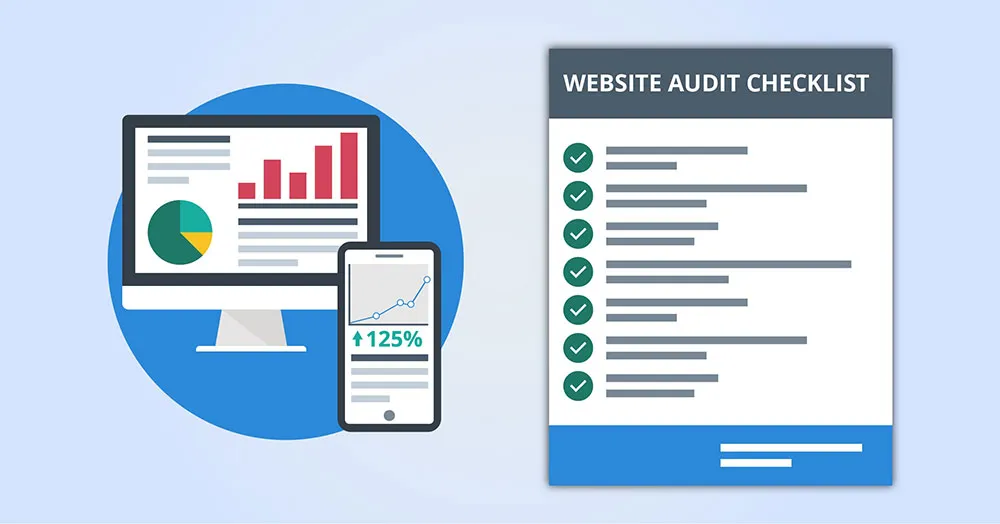
Website Design Launch: A Step-by-Step Checklist for Success
A website SEO audit is a detailed analysis of your website’s structure, content, and technical aspects to find areas that need improvement and optimization. By doing a regular SEO audit, you can discover hidden opportunities, fix any problems, and use strategies to improve your website’s search engine rankings, user experience, and overall online presence.
Benefits of Conducting a Website SEO Audit
Performing a website SEO audit can provide numerous benefits for your online business:
- Improved Search Engine Visibility: By identifying and addressing technical and on-page SEO issues, you can improve your website’s ranking in search engine results, making it more accessible to your target audience.
- Enhanced User Experience: A well-optimized website with fast loading times, mobile-friendly design, and intuitive navigation can significantly improve the user experience, leading to increased engagement, reduced bounce rates, and higher conversion rates.
- Competitive Advantage: Regularly checking your website and following best practices can help you gain an advantage over your competitors in the online world. This will make you stand out in the crowded online landscape.
- Increased Website Traffic and Leads: A good SEO audit can bring more targeted visitors to your website, resulting in more leads and potential sales opportunities.
- Long-Term Growth and Sustainability: Regularly checking and improving your website’s SEO can help your online business grow and last for a long time.
Now, let’s go through the entire SEO audit checklist that the Angkor Design team will help you with to enhance your website’s performance.
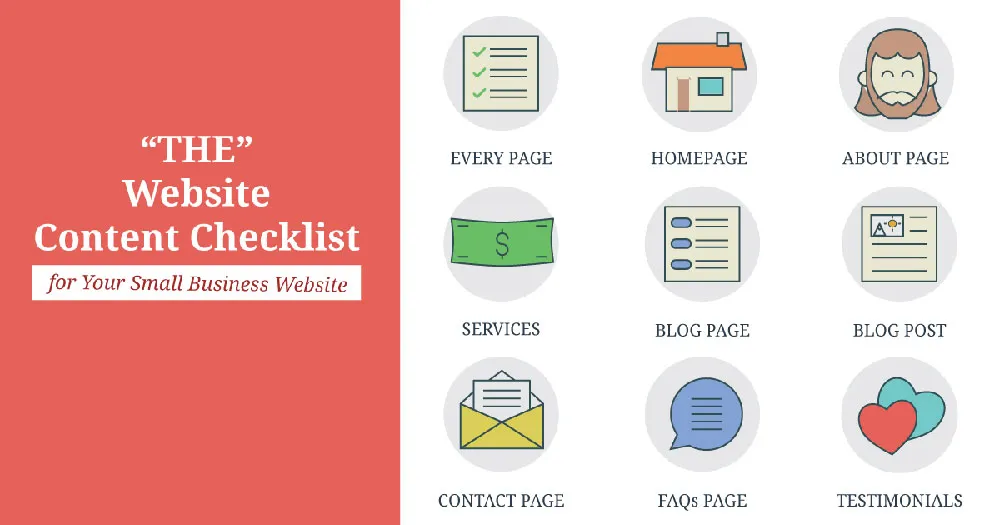
Mastering Website Design Launch: A Step-by-Step Checklist for Success
1. Website Speed Optimization
Website speed is important for search engine rankings and user experience. To analyze your website’s loading times, use tools like Google PageSpeed Insights, GTmetrix, or Pingdom. Look for areas to improve, like optimizing images, reducing HTTP requests, using browser caching, and using content delivery networks (CDNs).
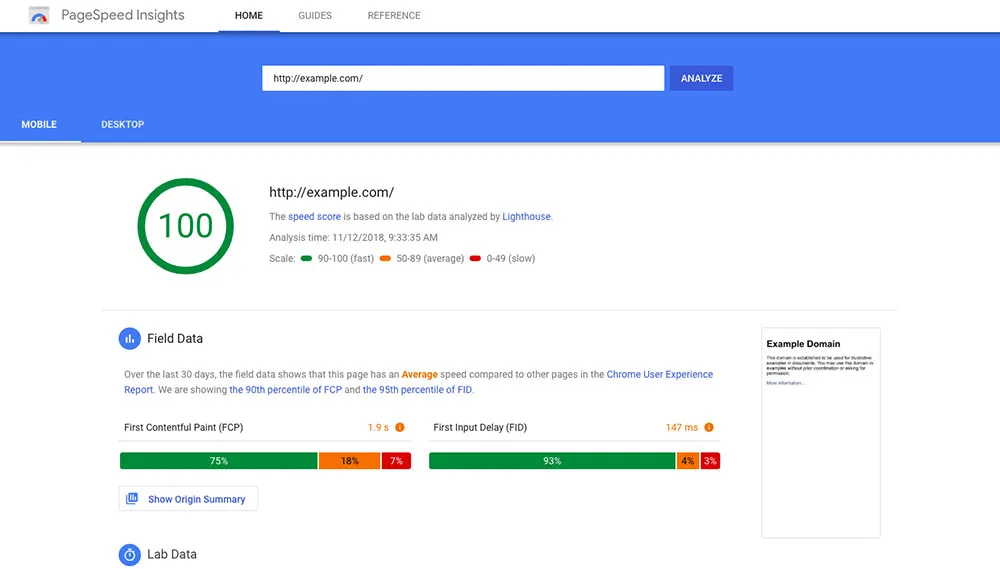
Optimizing Website Speed and Performance PageSpeed tools
- Google PageSpeed Insights | pagespeed.web.dev
- GTmetrix | gtmetrix.com
- Pingdom | www.pingdom.com
2. Mobile-Friendly Website Design
In today’s world where mobile devices are prevalent, it is important to have a website that works well on mobile devices. Make sure that your website’s design and layout adjust properly on different devices and screen sizes. You can use Google’s Mobile-Friendly Test to check if your website is mobile-friendly and fix any problems that are found.
3. Optimizing Title Tags for Better SEO
Title tags are important for on-page SEO because they impact how your website shows up in search engine results. To optimize your title tags, make sure they are unique, relevant, and contain your main and secondary keywords within the recommended character limit.
4. Utilizing Heading Tags Effectively
Properly using heading tags (H1, H2, H3, etc.) can help search engines understand the structure and hierarchy of your website’s content. Check your heading tags to make sure they are used correctly and effectively convey the main topics and subtopics on your pages.
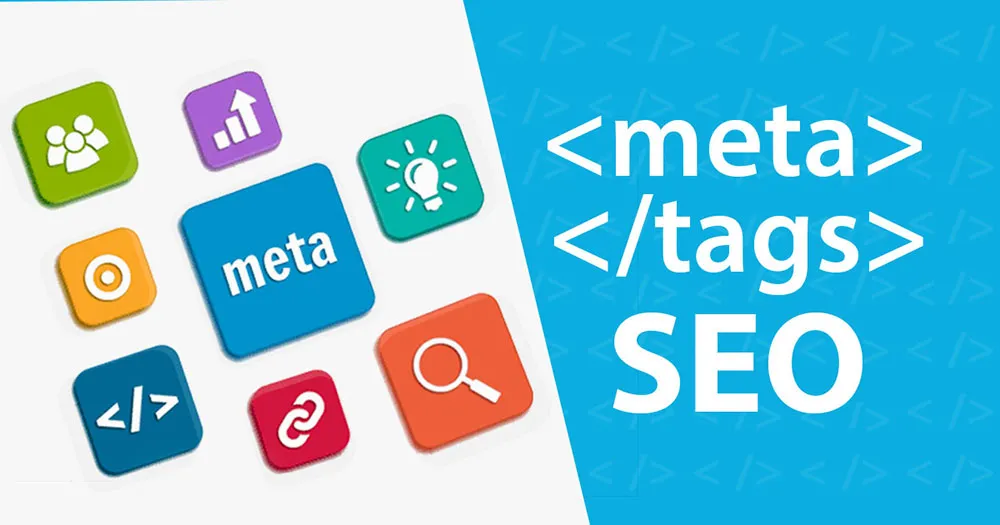
On-page SEO checklist – Meta description optimization
5. Importance of Image Tags for SEO
Images can have a big effect on your website’s SEO, but people often forget about them. Check your image tags, such as alt text, title, and file names, to make sure they accurately describe the images and have relevant keywords.
6. Fixing Redirect Errors and 404 Pages
Broken links, redirect errors, and 404 pages can have a negative impact on how users experience a website and how search engines crawl it. You can find and fix these issues by using tools like Screaming Frog or Google Search Console.
7. Optimizing Robot.txt File for Search Engines
The robot.txt file is used to talk to search engine crawlers. It tells them which pages to include or exclude. Make sure your robot.txt file is set up correctly and matches your SEO goals.
8. Dealing with Duplicate Content Issues
Duplicate content can confuse search engines and weaken your website’s authority. Check your website for any instances of duplicate content, like product pages, blog posts, or category pages, and take steps to fix these issues, such as using canonical tags or 301 redirects.
9. Analyzing and Optimizing Website Architecture
The way your website is structured and organized can greatly affect how well it performs in search engine optimization (SEO). To make sure your website is easy to use and optimized for search engines, analyze its architecture, navigation, and internal linking structure.

Differences Between Information Architecture (IA) and Website Sitemap
10. Reviewing and Improving Website Content
High-quality, relevant, and engaging content is crucial for a successful SEO strategy. To ensure your website’s content is effective, review your blog posts, product descriptions, and other pages if you are working with content related to the hospitality industry. It is important to use the right words and maintain a professional tone because “Content is King.” Make sure the content is informative, unique, and optimized for your target keywords.
11. Identifying and Implementing Relevant Keywords
Keyword research is an important part of an SEO audit. It involves analyzing the keywords you currently target, finding new opportunities, and using relevant keywords in your website’s content, titles, and meta descriptions.
12. Enhancing User Experience on Your Website
User experience is important for search engine rankings. Assess your website’s navigation, layout, and overall usability to make sure visitors can find information easily and complete desired actions.
13. Tracking Website Traffic with Google Analytics
Regularly checking your website’s traffic and user behavior using Google Analytics can give you useful information to guide your SEO strategy. Analyze your analytics data to find out trends in traffic, popular content, and areas that need improvement. If you use WordPress CMS, you can easily add Google Kit to your dashboard.
14. Building High-Quality Backlinks
Acquiring good backlinks from trustworthy and relevant websites can greatly improve your website’s authority and search engine rankings. Perform a backlink audit, find link-building opportunities, and carry out a strategic link-building campaign.
15. Understanding Off-Page SEO Techniques
Off-page SEO, like social media marketing, online PR, and guest posting, can also help improve your website’s performance. Assess your off-page SEO efforts and consider new strategies to enhance your online visibility and authority.
16. Implementing On-Page SEO Best Practices
Ensure that the SEO elements on your website’s pages, like meta tags, content structure, internal linking, and schema markup, are optimized based on the most up-to-date guidelines.
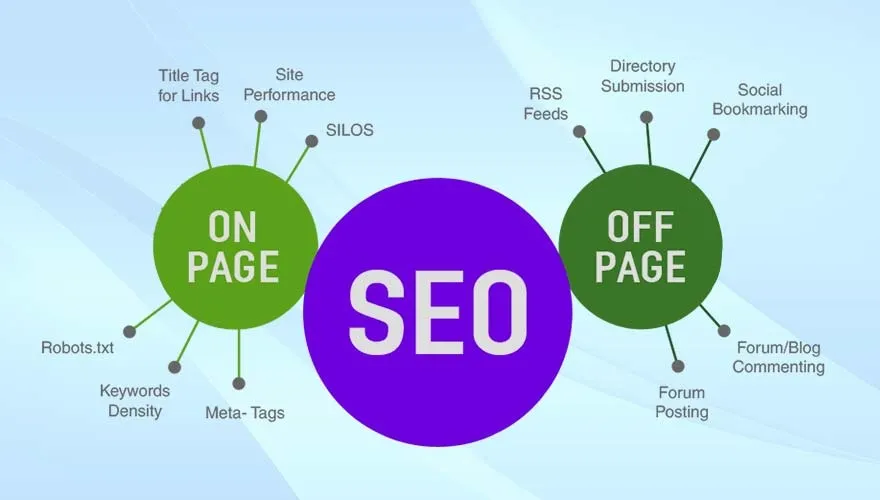
SEO Basic: On-Page and Off-Page Optimization
17. Analyzing and Learning from Website Competitors
Researching and analyzing your competitors’ SEO strategies can give you valuable insights to help you find areas to improve and stay ahead. Do a competitive analysis to understand their strengths, weaknesses, and opportunities.
Taking Action and Growing Your Online Business
By using this website SEO audit checklist, you can find areas to improve, apply effective strategies, and boost your online business. Remember, SEO is an ongoing process, and regular audits and optimizations are crucial for maintaining a strong online presence and achieving sustainable growth.
Contact Angkor Design Website Design & Mobile App Development today to improve your online business with our expert website design services. Our team of skilled professionals is committed to providing you with a website that not only looks great but also works smoothly. Whether you have a boutique, hotel, resort, or company profile, we offer free website consultations and audits to ensure that your online presence is optimized for success. Don’t miss the chance to enhance your online business with us.