


What’s the Difference: Information Architecture (IA) vs Website Sitemap
Creating a well-structured and user-friendly website is crucial for businesses to thrive. Two key components of web design that play a significant role in achieving this goal are information architecture and website sitemaps. While they may seem similar at first glance, there are distinct differences between the two. In this article, we will explore the intricacies of information architecture and website sitemaps, their importance, and when to use each of them.
Understanding Information Architecture (IA)
Information architecture (IA) refers to the organization and structure of content on a website. It involves categorizing, labeling, and structuring information in a way that is intuitive and easy to navigate for users. Think of information architecture as the blueprint or framework of a website, determining how information will be presented and accessed.
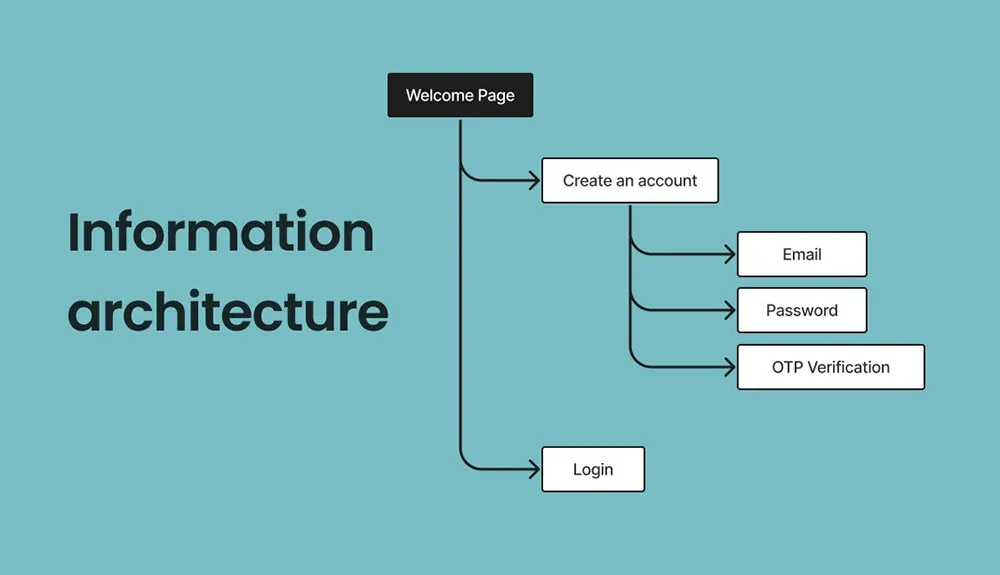
Understanding Information Architecture (IA)
A well-designed information architecture ensures that users can effortlessly find the information they are seeking. It considers the user’s perspective and aims to provide a seamless browsing experience. Information architecture encompasses various elements such as navigation menus, search functionality, content hierarchy, and user flow.
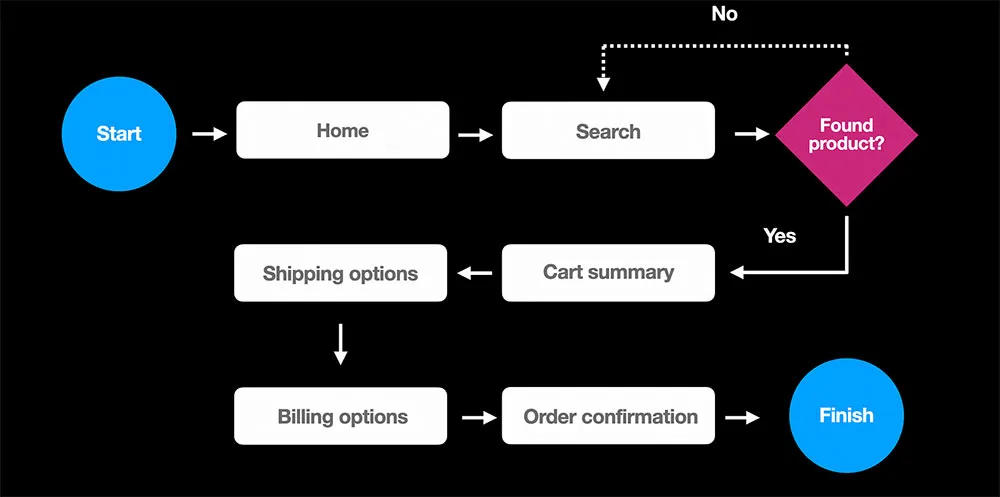
Information Architecture Design for E-Commerce Website (Sample)
Importance of Information Architecture (IA) in Web Design
Effective information architecture is vital for the success of a website. It directly impacts user experience, engagement, and conversion rates. Here are some reasons why information architecture should be a priority in web design:
1. Enhanced User Experience
A well-structured information architecture allows users to easily find the information they need, reducing frustration and improving overall user experience. By organizing content logically and intuitively, users can navigate through the website effortlessly, leading to increased engagement and longer visit durations.
2. Improved SEO
Search engine optimization (SEO) is crucial for driving organic traffic to a website. A clear and well-structured information architecture enables search engines to crawl and index content more efficiently. When search engines understand the hierarchy and organization of a website, they can rank it higher in search results, increasing its visibility to potential visitors.
3. Efficient Content Management
A robust information architecture makes content management more efficient. With a clear structure in place, content creators can easily add, update, or remove content without disrupting the overall organization. This saves time and effort, especially for websites with a large amount of content.
Elements of Information Architecture
To create a solid information architecture, several key elements need to be considered. These elements work together to provide a cohesive and user-friendly website structure. Here are some essential elements of information architecture:
1. Navigation Menus
Navigation menus serve as a roadmap for users to explore a website. They should be clear, concise, and easy to understand. Well-designed navigation menus categorize content logically and provide intuitive labels for easy navigation.
2. Content Hierarchy
Content hierarchy determines the importance and relationship between different pieces of content. It involves organizing content into categories, subcategories, and individual pages, ensuring that users can easily navigate through the website and locate the desired information.
3. Search Functionality
Search functionality allows users to directly search for specific information on a website. It is essential for websites with extensive content, as it provides users with a quick and efficient way to find what they are looking for.
Benefits of a Well-Structured Information Architecture
Implementing a well-structured information architecture offers numerous benefits for both users and website owners. Here are some key advantages:
1. Improved Usability
A well-structured information architecture enhances the usability of a website. Users can quickly and easily find the information they need, leading to a positive user experience. This, in turn, increases the likelihood of users returning to the website in the future.
2. Increased Conversions
When users can easily navigate through a website and find the information they are looking for, the chances of conversion significantly improve. Whether it’s making a purchase, filling out a form, or subscribing to a newsletter, a well-designed information architecture guides users toward desired actions.
3. Better Engagement
Engagement is a crucial metric for website success. A well-structured information architecture encourages users to explore more of the website, increasing their engagement. This can lead to longer visit durations, lower bounce rates, and a higher likelihood of users sharing the website with others.
Introduction to Website Sitemap
A website sitemap is a visual representation of the structure and organization of a website’s content. It is typically presented in the form of a hierarchical diagram, outlining the relationships between different pages and sections of a website. The primary purpose of a website sitemap is to help search engines and users alike understand the website’s structure and navigate its content effectively.
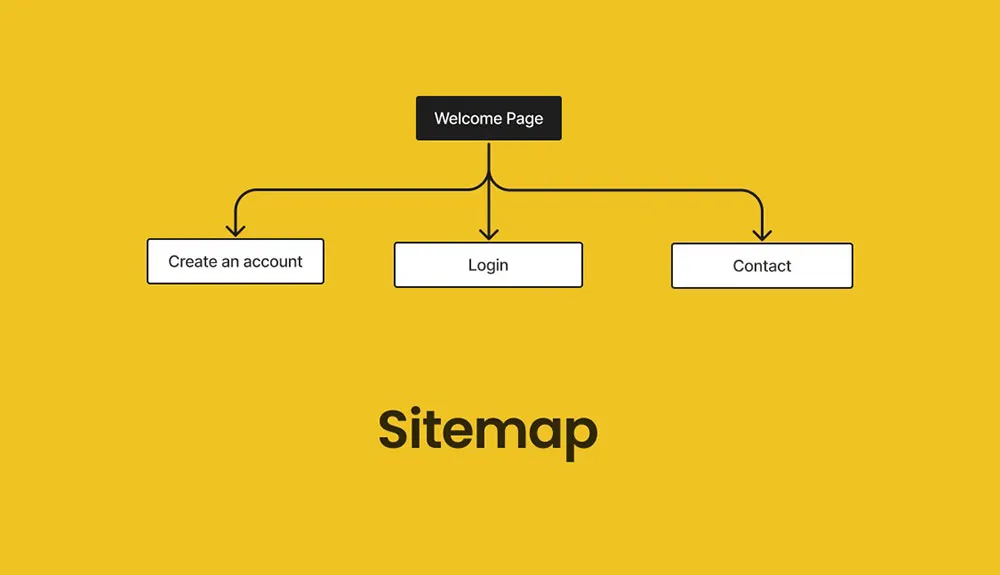
Introduction to Website Sitemap
Purpose and Function of a Website Sitemap
Website sitemaps serve several purposes and offer various functions that contribute to the overall success of a website. Here are some key purposes and functions of a website sitemap:
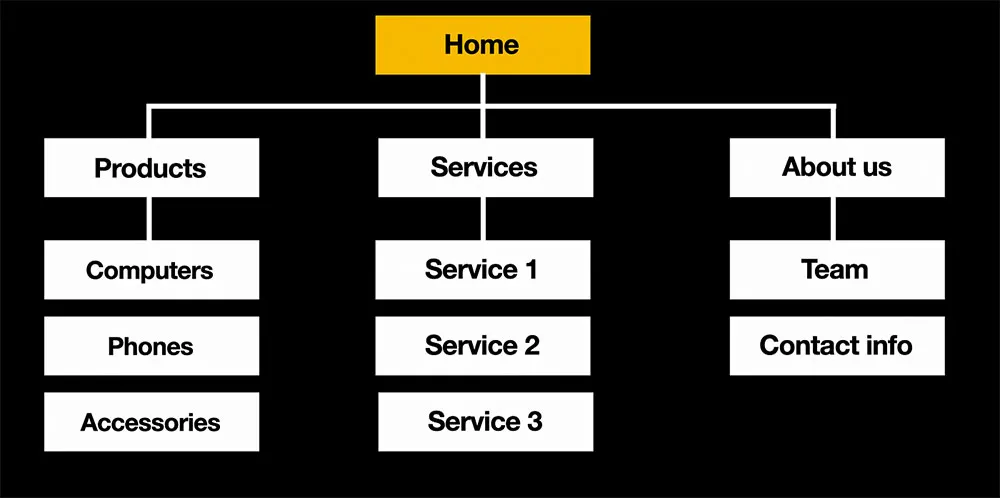
Sample Sitemap Website Design
1. Search Engine Crawling
Search engines utilize website sitemaps to crawl and index the content of a website more efficiently. By providing search engines with a clear and organized overview of a website’s structure, a sitemap helps ensure that all pages are discovered and included in search engine results.
2. User Navigation
Website sitemaps aid users in navigating a website. They provide a bird’s eye view of the entire website structure, allowing users to quickly identify the sections they are interested in and navigate directly to those pages. This can be particularly helpful for websites with complex architectures or extensive content.
3. Content Organization
A website sitemap helps website owners and administrators organize and structure their content effectively. By visually representing the relationships between different pages and sections, a sitemap allows website owners to identify any gaps or inconsistencies in their content organization, ensuring a seamless user experience.
Differences Between Information Architecture (IA) and Website Sitemap
While information architecture and website sitemaps are closely related, there are fundamental differences between the two. Understanding these differences is crucial for utilizing each component effectively. Here are the key distinctions:

Differences Between Information Architecture (IA) and Website Sitemap
1. Focus and Scope
Information architecture focuses on the organization and structure of content within a website, considering factors such as user experience, content hierarchy, and navigation. On the other hand, a website sitemap primarily serves as a visual representation of a website’s structure, outlining the relationships between different pages and sections.
2. Level of Detail
Information architecture provides a comprehensive blueprint for a website, considering various elements such as navigation menus, search functionality, and content hierarchy. A website sitemap, however, offers a condensed and visual overview of a website’s structure, emphasizing the relationships between pages rather than specific design elements.
3. Purpose
The purpose of information architecture is to create a user-friendly and intuitive website structure, ensuring that users can easily find the information they need. A website sitemap, on the other hand, primarily serves search engines by providing a clear overview of a website’s structure, facilitating the crawling and indexing of content.
When to Use Information Architecture (IA) vs. Website Sitemap
Knowing when to utilize information architecture or a website sitemap depends on the specific needs and goals of a website. Here are some scenarios where each component is most beneficial:

When to Use Information Architecture (IA) vs. Website Sitemap
1. Information Architecture (IA)
Information architecture is most useful when:
- Designing a new website or undergoing a website redesign
- Creating a user-friendly and intuitive website structure
- Improving the overall user experience and engagement
- Organizing and categorizing content logically
- Enhancing search engine optimization efforts
2. Website Sitemap
A website sitemap is most beneficial when:
- Optimizing a website for search engine crawling and indexing
- Providing a visual overview of a website’s structure
- Assisting users in navigating through complex websites
- Identifying gaps or inconsistencies in content organization
- Streamlining the content management process
Conclusion
In conclusion, information architecture and website sitemaps are both integral components of web design. While information architecture focuses on the organization and structure of content within a website, website sitemaps provide a visual representation of a website’s structure. By understanding the differences between the two and utilizing them effectively, businesses can create user-friendly and engaging websites that meet the needs of their target audience.
So, whether you are embarking on a new website design project or looking to optimize your existing website, consider the importance of information architecture and website sitemaps. They can significantly contribute to a seamless and intuitive user experience, improved search engine visibility, and increased conversions. Partnering with a professional web design agency, such as Angkor Design, can help you create a well-structured website that maximizes its potential in the digital landscape.