


Revolutionize Your Small Business Marketing with These Online Marketing Tips
As a small business owner, it can be difficult to compete with larger companies when it comes to marketing. However, with the rise of online marketing, there are now many ways for small businesses to reach a wider audience and increase their sales. In this article, I will share some of the most effective online marketing tips for small businesses. From understanding your target audience to utilizing online marketing tools, these tips will help you revolutionize your small business marketing and take it to the next level.
Introduction to Online Marketing for Small Businesses
Online marketing refers to any marketing efforts that are done on the internet. This can include social media marketing, email marketing, search engine optimization (SEO), pay-per-click (PPC) advertising, content marketing, and much more. Online marketing is especially useful for small businesses because it allows them to reach a wider audience at a lower cost than traditional marketing methods. In the following sections, we will explore different online marketing strategies that small businesses can use to promote their brand.
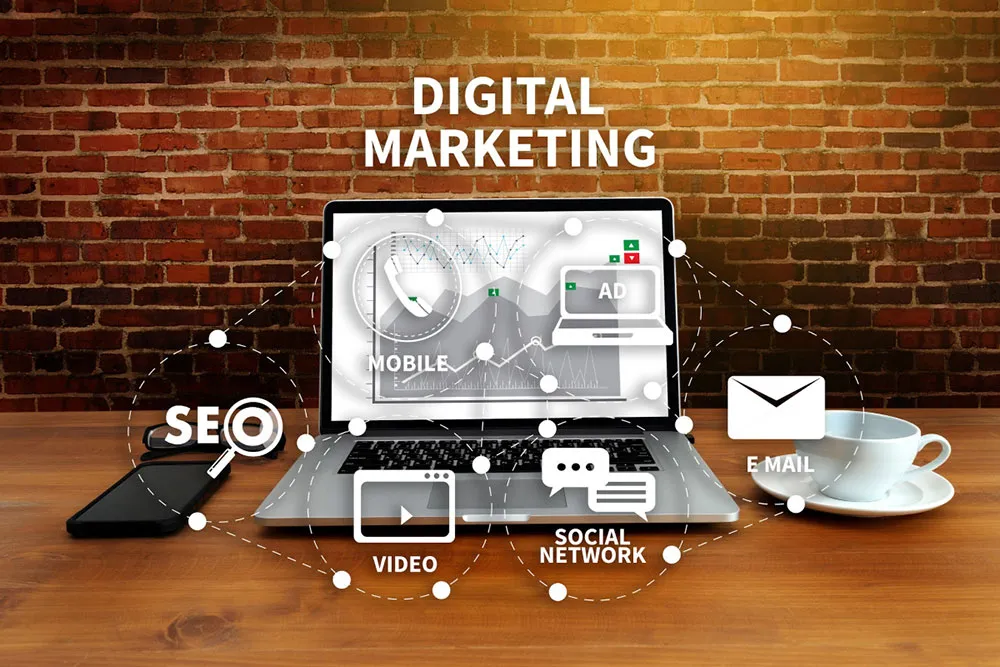
Online Marketing for Small Businesses in Cambodia
Understanding Your Target Audience
Before you can effectively market your small business online, it is important to understand your target audience. Who are your customers? What are their interests and needs? What motivates them to buy your product or service? By answering these questions, you can create a marketing strategy that speaks directly to your target audience.
One of the best ways to understand your target audience is to conduct market research. This can involve surveys, focus groups, or analyzing data from your website or social media accounts. By gathering information about your customers, you can create targeted marketing campaigns that are more likely to result in conversions.
Building Your Online Presence
Once you have a solid understanding of your target audience, the next step is to build your online presence. This involves creating a website and social media accounts that reflect your brand and appeal to your target audience. Your website should be easy to navigate and provide all the information that potential customers need to make a purchase.
Social media is also an important component of your online presence. By creating accounts on platforms such as Facebook, Twitter, and Instagram, you can engage with your audience and promote your brand. Make sure to post regularly and respond to comments and messages in a timely manner.
Search Engine Optimization (SEO) for Small Businesses
Search engine optimization (SEO) is the process of optimizing your website to rank higher in search engine results pages (SERPs). This is important because the higher your website ranks, the more likely people are to click on it and visit your site. There are many factors that contribute to SEO, including keyword research, on-page optimization, link building, and content creation.
As a small business, it can be difficult to compete with larger companies when it comes to SEO. However, by focusing on long-tail keywords and creating high-quality content, you can still rank well in search engine results pages. Make sure to also optimize your website’s meta titles and descriptions, as these are what people see when your website appears in search results.
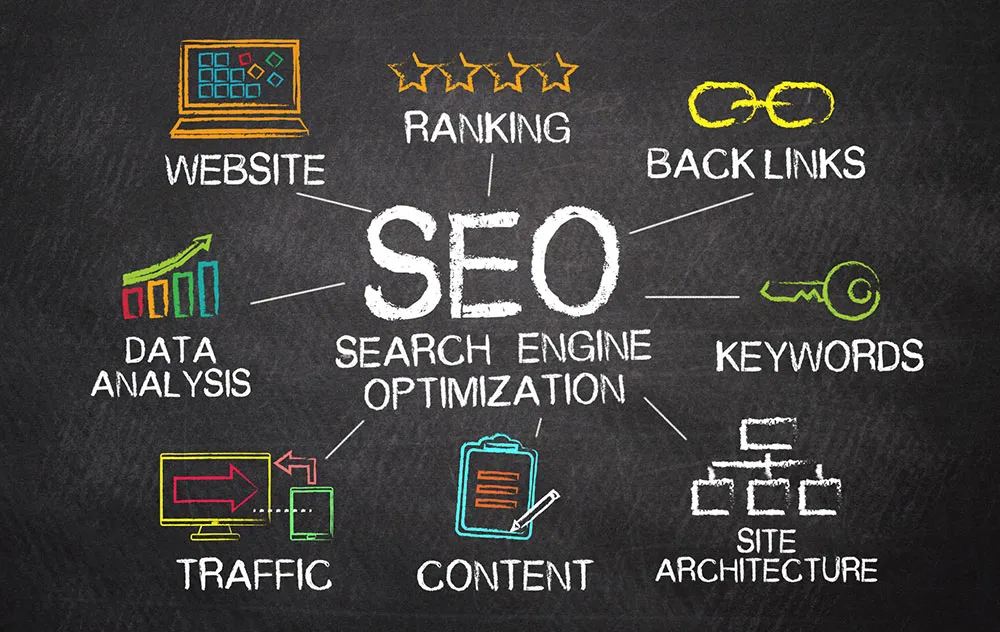
Search Engine Optimization (SEO) for Small Businesses
Pay-Per-Click (PPC) Advertising
Pay-per-click (PPC) advertising allows you to place ads on search engine results pages and other websites. You only pay when someone clicks on your ad, which makes it a cost-effective way to reach potential customers. To create effective PPC campaigns, it is important to do thorough keyword research and create targeted ad copy that appeals to your target audience.
One of the best platforms for small businesses to use for PPC advertising is Google Ads. With Google Ads, you can create ads that appear at the top of search engine results pages when people search for specific keywords. You can also create display ads that appear on other websites that are relevant to your target audience.
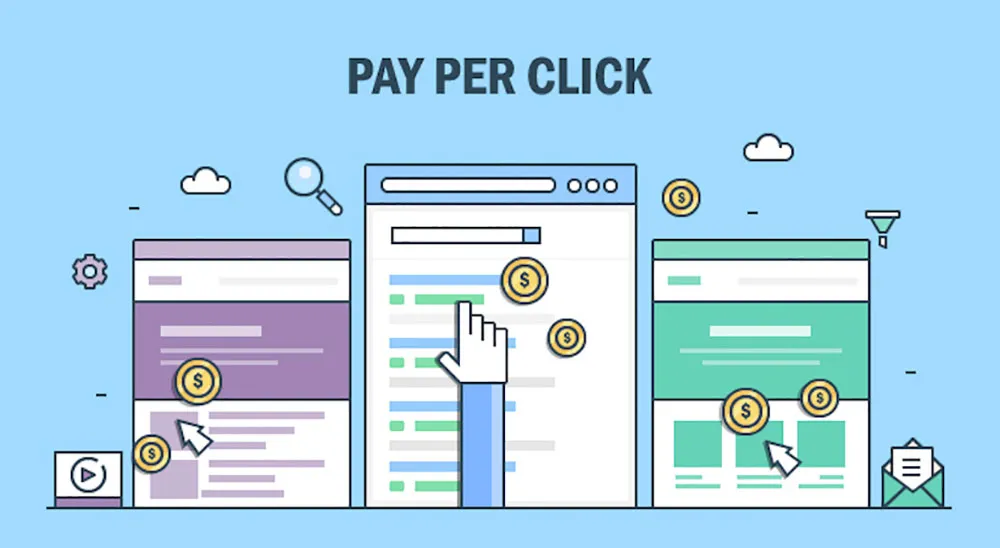
Pay-Per-Click (PPC) Advertising
Content Marketing for Small Businesses
Content marketing involves creating high-quality content that appeals to your target audience. This can include blog posts, videos, infographics, and more. The goal of content marketing is to provide value to your audience while also promoting your brand.
One of the best ways to get started with content marketing is to create a blog on your website. This allows you to create regular content that is relevant to your target audience. You can also share your blog posts on social media to increase their reach.
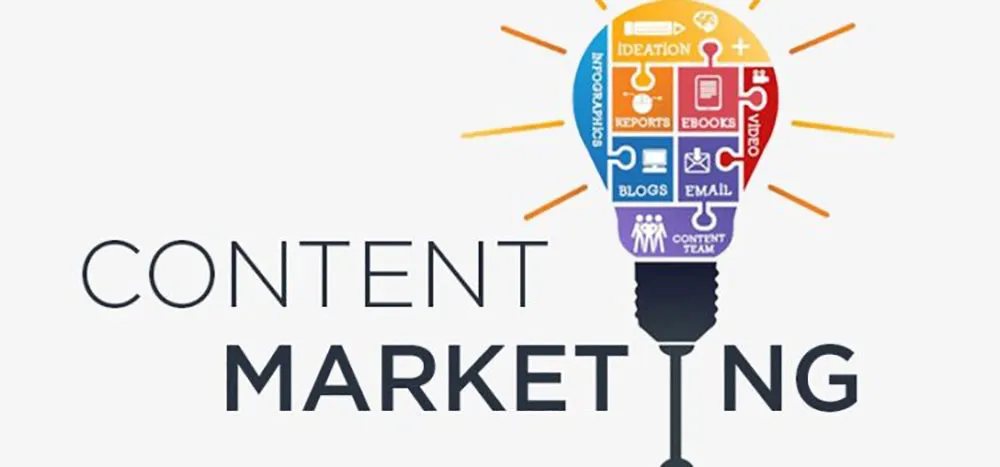
Content Marketing for Small Businesses
Email Marketing for Small Businesses
Email marketing is a highly effective way to reach your target audience and promote your brand. By collecting email addresses from your website visitors and customers, you can create targeted email campaigns that are more likely to result in conversions. Make sure to create email campaigns that provide value to your audience and are relevant to their interests and needs.
One of the best tools for small businesses to use for email marketing is Mailchimp. With Mailchimp, you can create beautiful email campaigns and track their performance. You can also segment your email list based on factors such as location and purchase history, which allows you to create targeted campaigns that are more likely to convert.
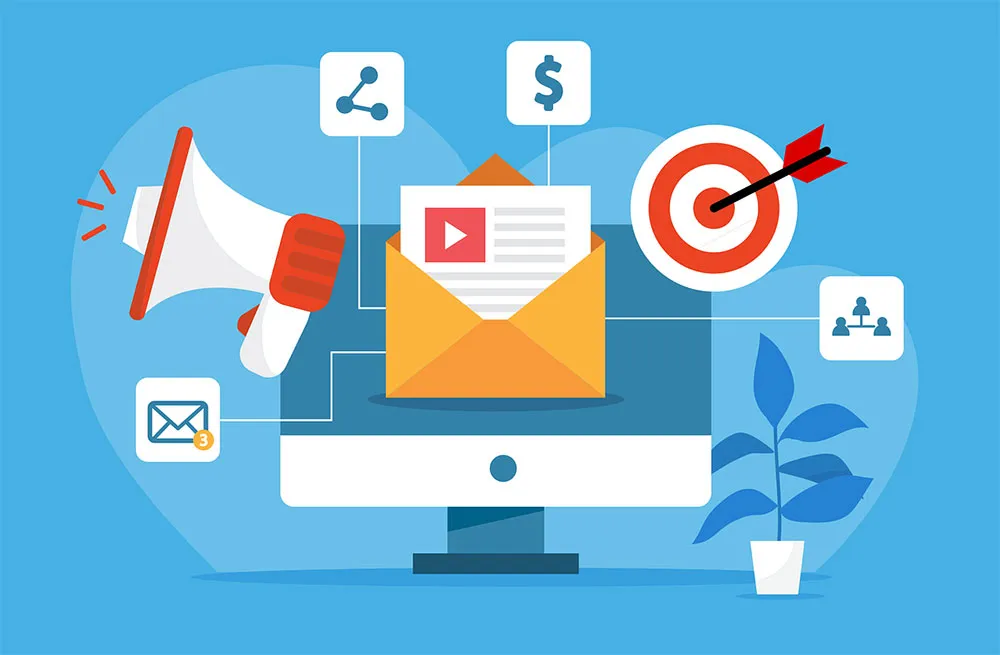
Email Marketing for Small Businesses
Social Media Marketing for Small Businesses
Social media marketing involves using social media platforms to promote your brand and engage with your audience. This can include creating regular posts, running social media ads, and responding to comments and messages. Social media is a great way to increase brand awareness and build relationships with your customers.
One of the most important things to remember when it comes to social media marketing is to create content that is relevant to your target audience. Make sure to also engage with your audience by responding to comments and messages in a timely manner.
Social Media Marketing for Small Businesses in Cambodia
Online Marketing Tools for Small Businesses
There are many online marketing tools that small businesses can use to streamline their marketing efforts. These tools can help with everything from social media management to email marketing to content creation. Some of the best tools for small businesses include Hootsuite, Canva, and Google Analytics.
Hootsuite is a social media management tool that allows you to schedule posts, track performance, and engage with your audience. Canva is a graphic design tool that makes it easy to create professional-looking graphics and images. Google Analytics is a website analytics tool that allows you to track your website’s performance and make data-driven decisions about your marketing strategy.
Google Analytics 4
Measuring Your Online Marketing Success
One of the most important aspects of online marketing is measuring your success. By tracking metrics such as website traffic, conversion rates, and engagement, you can determine which marketing strategies are working and which ones need to be adjusted. Make sure to regularly review your analytics and adjust your marketing strategy accordingly.
Conclusion and Final Tips
Online marketing is a powerful tool for small businesses. By understanding your target audience, building your online presence, and utilizing strategies such as SEO, PPC advertising, content marketing, email marketing, and social media marketing, you can reach a wider audience and increase your sales. Make sure to also use online marketing tools to streamline your efforts and measure your success. With these tips, you can revolutionize your small business marketing and take it to the next level.
If you’re ready to revolutionize your small business marketing, start by implementing some of the strategies we’ve discussed in this article. Remember to focus on your target audience, create high-quality content, and measure your success. With the right marketing strategy, you can take your small business to the next level.