


Exploring Black Hat SEO: Understanding Black Hat SEO Techniques and Their Impact on Search Rankings

In today’s digital age, search engine optimization (SEO) plays a crucial role in helping websites achieve higher visibility and attract more organic traffic. While ethical SEO practices are widely encouraged and recommended, some individuals resort to unscrupulous tactics known as Black Hat SEO to gain an unfair advantage over their competitors. In this article, we will delve into the world of Black Hat SEO techniques, exploring their nature, examples, and the detrimental impact they can have on search rankings.
What are Black Hat SEO techniques?
Black Hat SEO techniques refer to manipulative strategies that aim to deceive search engines and artificially boost a website’s ranking in search results. These tactics often violate search engine guidelines and are considered unethical. Black Hat SEO practitioners focus on exploiting loopholes in algorithms rather than providing valuable and relevant content for users. Some common Black Hat SEO techniques include keyword stuffing, hidden text, cloaking, link manipulation, and content scraping.
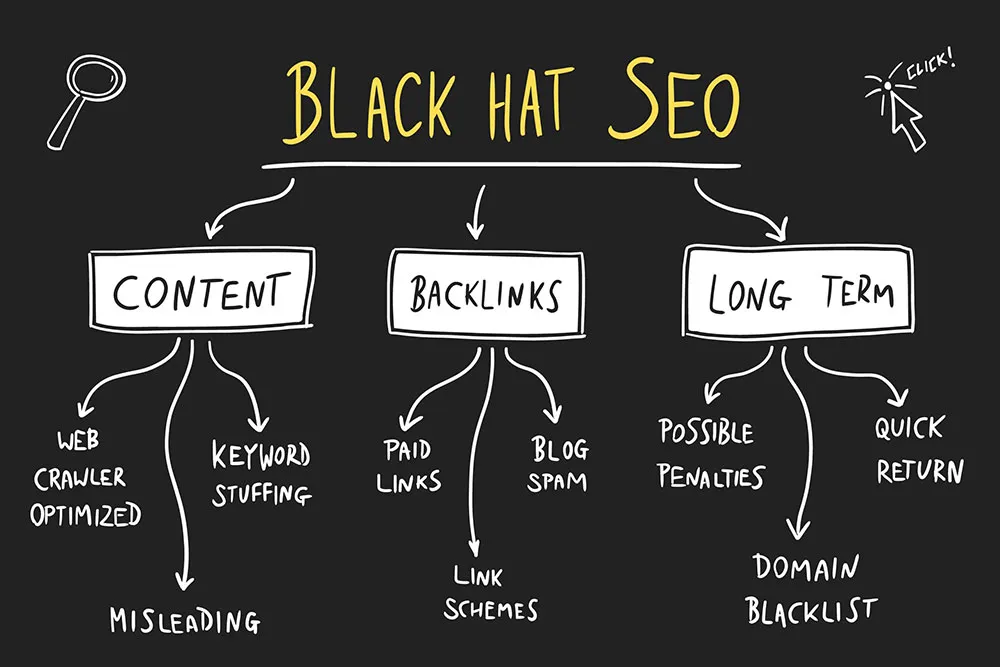
Understanding Black Hat SEO Techniques and Their Impact on Search Rankings
Examples of Black Hat SEO techniques
Keyword stuffing is a Black Hat SEO technique where website owners excessively use keywords in their content, meta tags, or alt tags with the intention of manipulating search engine algorithms. This results in content that is unnatural and difficult to read for users. Another example is hidden text, where website owners hide text by making it the same color as the background or placing it behind images. This text is only visible to search engine crawlers, not to human visitors.
Cloaking is a deceptive technique where different content is shown to search engines and users. Website owners use this technique to trick search engines into thinking their website is relevant to a particular search query, while presenting irrelevant or spammy content to users. Link manipulation involves manipulating the number and quality of backlinks pointing to a website. This can be done through link farms, private blog networks, or purchasing links from low-quality websites.
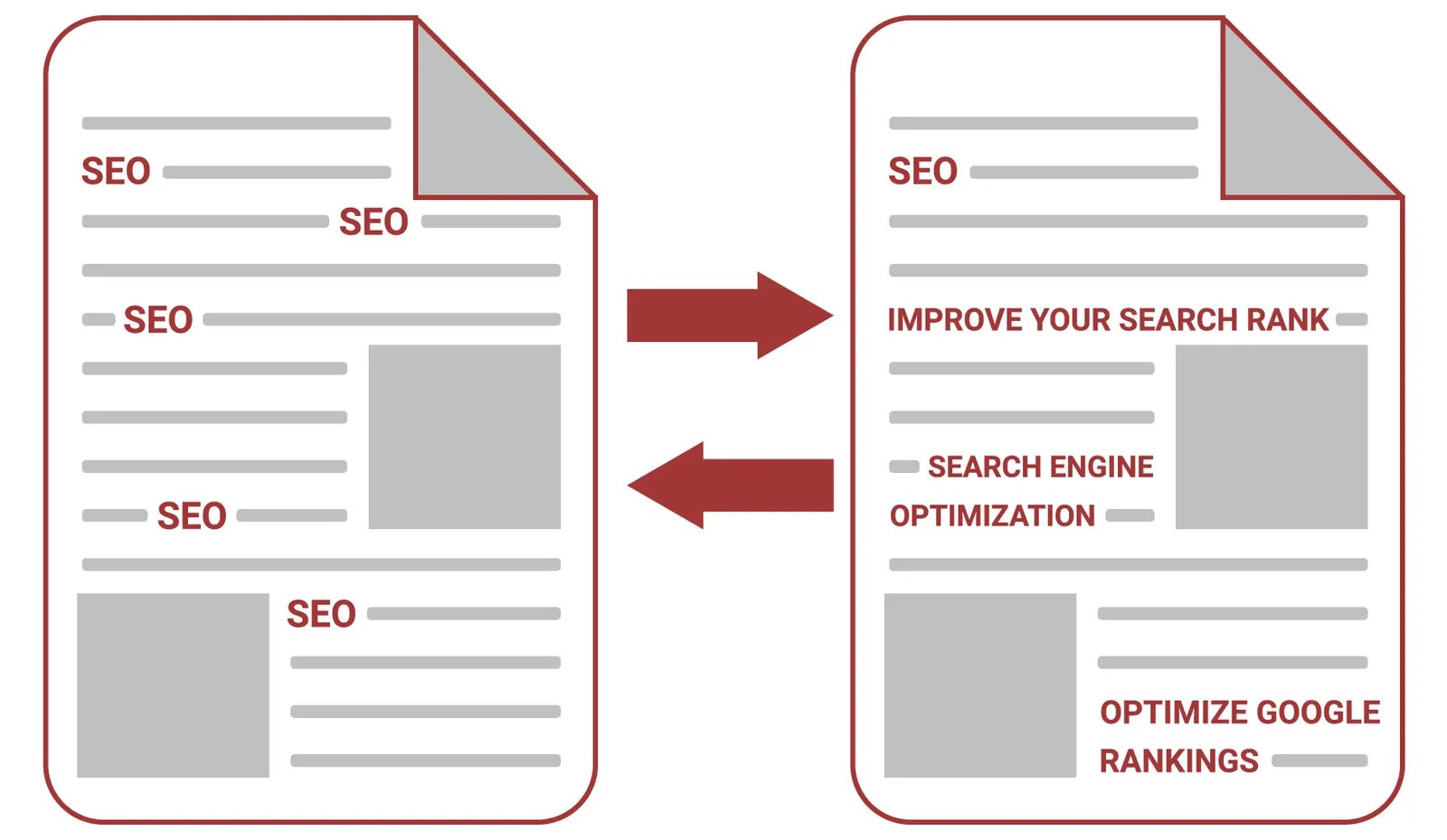
Examples of Black Hat SEO techniques
Content scraping is the act of copying content from other websites and publishing it as one’s own. This not only violates copyright laws but also negatively impacts the original content creator’s search rankings. These are just a few examples of the many Black Hat SEO techniques that exist.
The impact of Black Hat SEO on search rankings
Engaging in Black Hat SEO techniques may provide temporary benefits in terms of improved search rankings and increased traffic. However, these gains are short-lived and often come at a significant cost. Search engines are continuously evolving to combat Black Hat SEO practices, and once discovered, websites employing such tactics are penalized or even completely removed from search engine indexes.
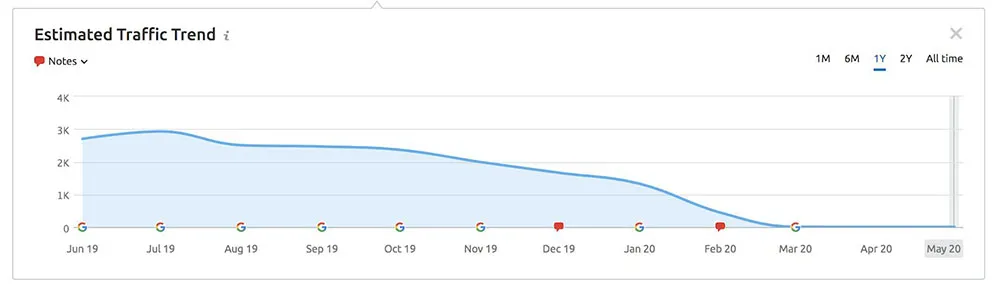
The impact of Black Hat SEO on search rankings
When a website is penalized for Black Hat SEO, it experiences a significant drop in search rankings, resulting in decreased organic traffic and potential loss of revenue. Rebuilding trust with search engines and recovering from these penalties can be a long and arduous process. In addition to the immediate impact on search rankings, there is also the risk of long-term damage to a website’s reputation and credibility.
How to identify and avoid Black Hat SEO techniques
It is essential for website owners and digital marketers to be aware of Black Hat SEO techniques to ensure they are not inadvertently engaging in such practices. There are several ways to identify and avoid Black Hat SEO techniques:
- Stay informed: Keep up-to-date with the latest search engine guidelines and algorithm updates to understand what is considered acceptable and what is not.
- Conduct regular website audits: Regularly audit your website to identify any suspicious or spammy practices. This includes checking for keyword stuffing, hidden text, and unusual link patterns.
- Monitor backlinks: Keep an eye on the quality and quantity of backlinks pointing to your website. Disavow any suspicious or low-quality links that could harm your SEO efforts.
- Create high-quality content: Focus on creating valuable and relevant content that meets the needs of your target audience. This will naturally attract links and engagement, without the need for manipulative tactics.
- Build genuine relationships: Instead of participating in link schemes or purchasing links, focus on building genuine relationships with reputable websites in your industry. This can lead to natural and sustainable backlinks.
By following these guidelines, website owners can ensure they are not inadvertently using Black Hat SEO techniques and can maintain a strong online presence.
White Hat SEO vs. Black Hat SEO
Black Hat SEO stands in direct contrast to White Hat SEO, which refers to ethical and sustainable SEO practices. White Hat SEO focuses on providing valuable content, optimizing website structure and performance, and building genuine relationships with users and other websites. Unlike Black Hat SEO, White Hat SEO aims to improve search rankings organically, following search engine guidelines.
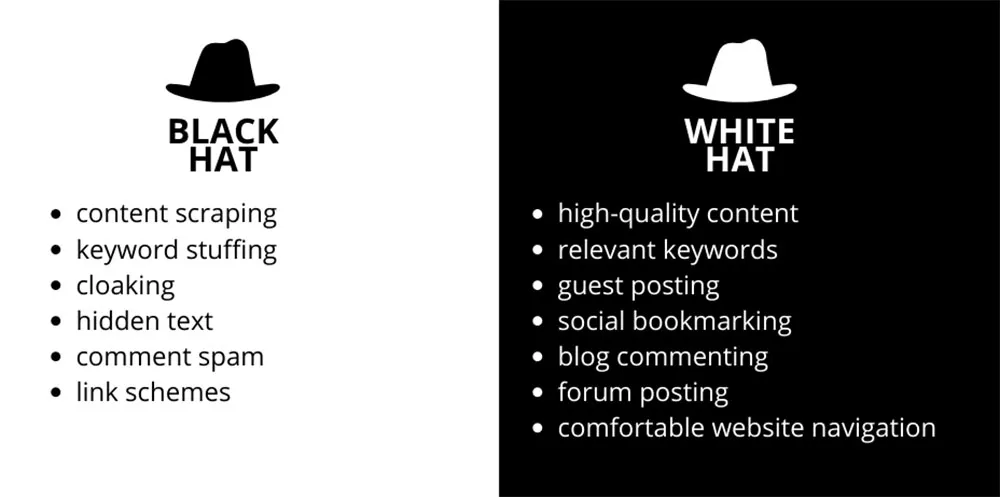
White Hat SEO vs. Black Hat SEO
While Black Hat SEO may offer short-term gains, White Hat SEO delivers long-term benefits by establishing a strong online presence, attracting organic traffic, and building credibility with search engines and users. It is important to prioritize ethical SEO practices to ensure long-term success and avoid the negative consequences associated with Black Hat SEO.
Common myths and misconceptions about Black Hat SEO
There are several myths and misconceptions surrounding Black Hat SEO that need to be debunked. One common myth is that Black Hat SEO techniques are undetectable by search engines. This is far from the truth, as search engines have become increasingly sophisticated in identifying and penalizing websites that engage in manipulative tactics.
Another misconception is that Black Hat SEO can guarantee quick and significant improvements in search rankings. While Black Hat SEO may provide temporary gains, the risk of getting penalized by search engines outweighs any short-term benefits. Additionally, the negative impact on a website’s reputation and credibility should not be underestimated.
It is crucial to educate oneself and separate fact from fiction when it comes to Black Hat SEO. Understanding the risks and consequences associated with these tactics can help website owners make informed decisions and prioritize ethical SEO practices.
Consequences of using Black Hat SEO techniques
The consequences of using Black Hat SEO techniques can be severe and long-lasting. Search engines, like Google, have strict guidelines in place to ensure fair and relevant search results. When these guidelines are violated, search engines take action to penalize websites using Black Hat SEO tactics.
Penalties can range from a drop in search rankings to complete removal from search engine indexes. This leads to decreased organic traffic, loss of revenue, and a tarnished online reputation. Recovering from these penalties can be a time-consuming and challenging process, requiring significant effort to rebuild trust with search engines and regain lost rankings.
In addition to the immediate impact on search rankings, there are also legal consequences to consider. Content scraping, for example, can result in copyright infringement lawsuits and damage to a website’s reputation. It is crucial to understand the potential consequences before engaging in Black Hat SEO techniques.
Case studies of websites penalized for Black Hat SEO
Numerous websites have fallen victim to search engine penalties due to their use of Black Hat SEO techniques. One notable case is that of J.C. Penney, a major American department store. In 2011, it was revealed that J.C. Penney had engaged in a widespread link scheme, artificially boosting its search rankings for various keywords. As a result, the company faced a significant drop in search rankings and subsequent loss of organic traffic.
Another case is that of Rap Genius, a lyrics website. In 2013, Rap Genius was penalized by Google for manipulating search rankings through an excessive number of backlinks. This penalty resulted in a substantial decrease in visibility and traffic for the website.
These case studies serve as a reminder of the risks associated with Black Hat SEO techniques and the potential consequences that can arise from engaging in such practices.
Conclusion: The importance of ethical SEO practices
In conclusion, understanding and avoiding Black Hat SEO techniques is crucial for website owners and digital marketers who want to establish a strong online presence and attract organic traffic. While Black Hat SEO may offer short-term gains, the risks and consequences associated with these manipulative tactics far outweigh any potential benefits.
By prioritizing ethical SEO practices, such as creating valuable content, optimizing website structure, and building genuine relationships, website owners can achieve long-term success and maintain a positive reputation with search engines and users.
Remember, SEO is a long-term game, and shortcuts through Black Hat SEO techniques are simply not worth the potential damage they can cause. Embrace White Hat SEO and focus on providing value to your target audience. By doing so, you will build a sustainable online presence and enjoy the rewards of higher search rankings and increased organic traffic.
If you want to improve your website’s search rankings and attract organic traffic, it is essential to prioritize ethical SEO practices.
White Hat SEO Techniques: White Hat SEO Strategies to Drive Organic Traffic and Enhance Rankings